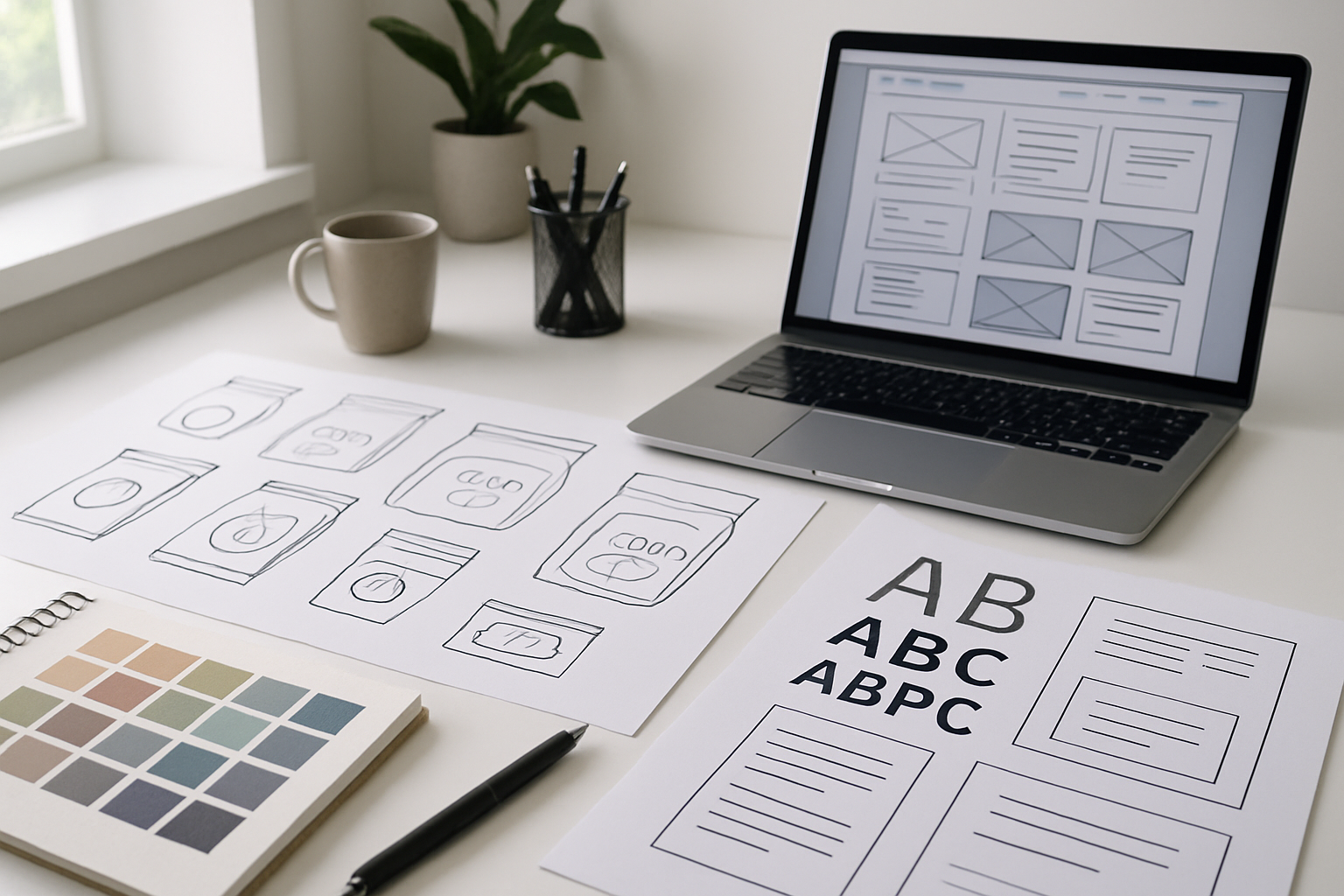
The food sector presents specific challenges regarding design and branding, making it essential to assess certain aspects before hiring related services. This practical checklist will help you identify what to consider in UX/UI design projects, corporate identity, packaging, and visual communication for food companies.\n\n
1. Understanding the Target Audience and Product\n
Effective design starts with a deep understanding of the target audience and the characteristics of the food product. Evaluate whether the design company conducts a detailed analysis of consumer behavior, preferences, and nutritional needs.\n\n
2. Experience in UX/UI Design Specific to Food\n
Web design for food products should facilitate intuitive navigation, clear presentation of nutritional information, and easy online purchasing. Verify that the team has experience in UX/UI solutions tailored to this sector.\n\n
3. Consistent and Distinctive Corporate Identity\n
The identity should reflect values such as freshness, quality, or tradition, as appropriate. Examine whether the graphic proposal integrates logo, color palette, and typography harmoniously and uniquely.\n\n
4. Attractive and Functional Packaging Design\n
The packaging is the first point of contact with the consumer. Assess the creativity, ergonomics, and the design’s ability to convey the product’s essence while complying with labeling regulations.\n\n
5. Strategic Use of Color and Typography\n
These elements influence product perception. Ensure that colors chosen stimulate appetite or trust and that legible typography reinforces the message.\n\n
6. Incorporation of Scalable Design Systems\n
For companies with multiple products, it is key that the design is modular and scalable, facilitating visual consistency without losing flexibility.\n\n
7. Adaptation to Current Visual Trends\n
The design should be up to date, incorporating trends such as minimalism, natural illustrations, or sustainable design, without sacrificing functionality.\n\n
8. Focus on Conversion Design\n
Analyze whether the design is aimed at converting visitors into customers by optimizing calls to action, product pages, and ease of purchase.\n\n
9. Accessibility and Usability\n
Evaluate if the design meets accessibility standards for users with visual or motor disabilities, ensuring an inclusive experience.\n\n
10. Integration with Marketing and Social Media\n
The design must be consistent with marketing campaigns and adapt to formats for social media and digital advertising.\n\n
11. Clarity in Communicating Values and Certifications\n
It is essential that the design highlights aspects such as organic products, gluten-free options, or quality certifications clearly and credibly.\n\n
12. Design Support and Maintenance\n
Check if the company offers long-term support to update or adapt the design according to market evolution or client needs.\n\n
Evaluating these aspects will allow you to hire design and branding services that truly add value and enhance your food company’s image from both a creative and technical perspective.\n\n
To learn more about the importance of UX/UI design in the food sector, you can consult specialized resources such as the Wikipedia page on interaction design.